 (512) 883-0277







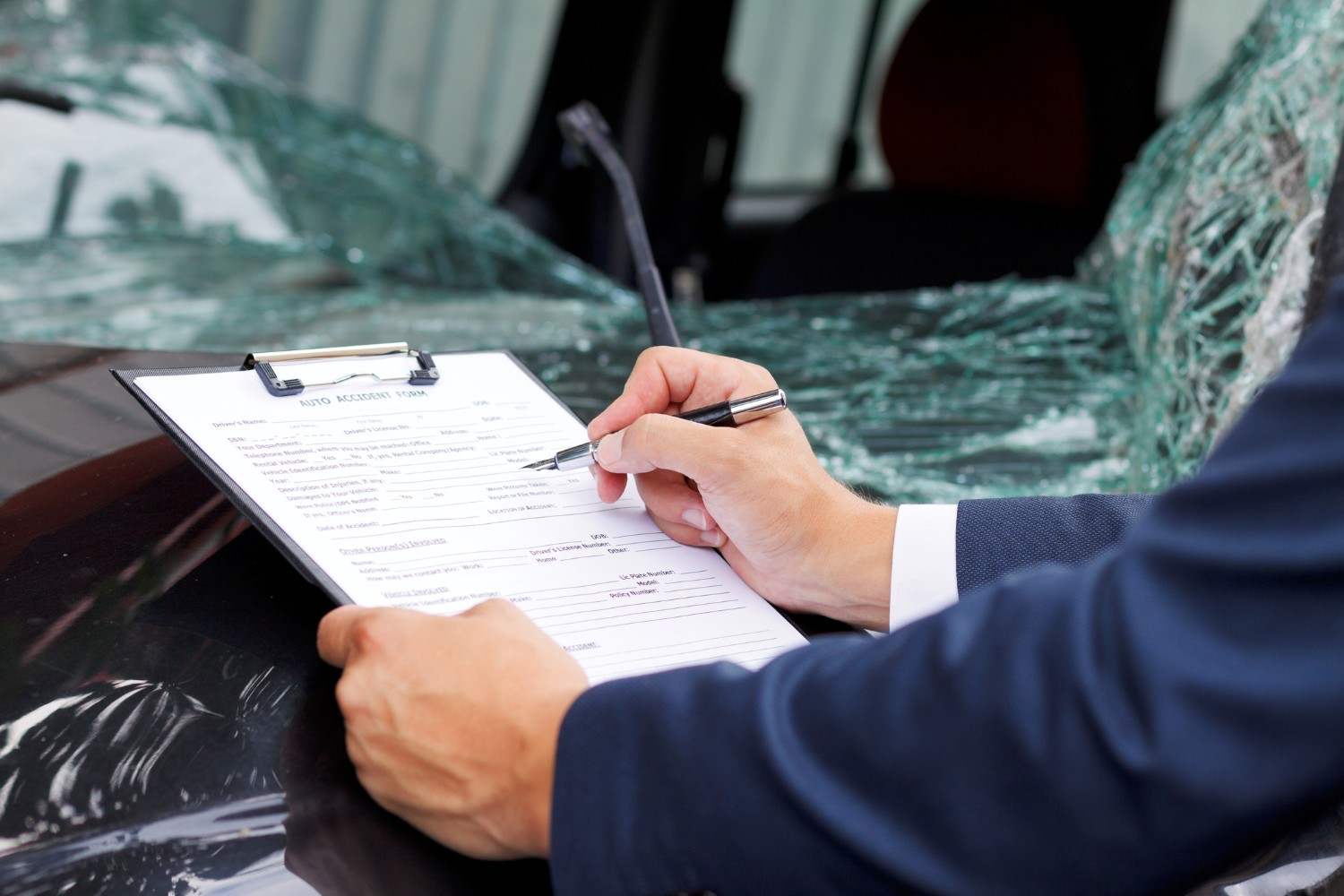
The phone may ring before you have even had time to process what happened.
An insurance adjuster says they need to ask a few questions about your Texas car accident. The conversation sounds routine, and the adjuster may ask whether it is okay to record your answers. You know what happened, so agreeing may seem harmless.
But a recorded statement is more than a casual conversation. What you say can become part of the insurance company’s investigation and may later be compared with police reports, medical records, witness accounts, and other evidence.
Before agreeing to be recorded, it is important to understand who is asking, why they want the statement, and how your answers could affect your injury claim.
What Is a Recorded Statement?
A recorded statement is typically an interview an insurance adjuster conducts after an accident.
The adjuster may ask questions about:
- Where you were going.
- How the collision happened.
- What you saw immediately before impact.
- Your speed or actions behind the wheel.
- What you said or did at the accident scene.
- Whether you were injured.
- What medical treatment you have received.
- Whether you had previous injuries or medical conditions.
Some of those questions may be reasonable when investigating a claim. The potential problem is answering them before you have complete information about the accident or fully understand your injuries.
Why Can a Recorded Statement Cause Problems?
Accident victims do not always know every detail immediately after a crash.
You may be shaken, in pain, or trying to reconstruct events that occurred within seconds. You might estimate how fast you were traveling or how far away another vehicle was when you first saw it. Later, surveillance footage or physical evidence could show that your estimate was inaccurate.
That does not mean you were dishonest. It means you were asked to remember precise details during a stressful situation.
Recorded statements can preserve those early answers. If your account changes after additional evidence becomes available, an insurer may point to the differences and question your credibility.

Be Particularly Careful When Discussing Your Injuries
The hours and days after an accident can also be too early to know the full extent of your injuries.
Suppose an adjuster calls the morning after a crash and asks how you are feeling. You say you are “okay” because you have no broken bones and went home from the emergency room.
Several days later, worsening neck pain, headaches, numbness, or other symptoms may lead to additional testing and treatment.
An insurer could later focus on the earlier statement when disputing whether your injuries were serious or connected to the collision.
This is one reason accident victims should avoid minimizing symptoms or speculating about their prognosis. Medical professionals, not an insurance interview, should determine the nature and extent of an injury.
Do You Have to Give the Other Driver’s Insurance Company a Statement?
The other driver’s insurance company may request a recorded statement, but that does not mean you should automatically agree to one.
Remember whose interests the adjuster represents. The insurer is investigating its policyholder’s potential liability and determining what, if anything, it should pay on your claim.
Before providing a recorded statement to another driver’s insurer, you can speak with a Texas personal injury attorney about whether the request is appropriate and how to respond.
What If Your Own Insurance Company Wants a Recorded Statement?
Your own insurer is different.
An auto insurance policy may require you to cooperate with your insurance company’s investigation. Texas law also recognizes cooperation obligations involving certain third-party liability claims.
That does not mean you should answer questions carelessly. You can review your policy, understand what information is being requested, and prepare before giving a statement.
Your own coverage may become particularly important if the at-fault driver is uninsured or does not carry enough insurance to cover your losses.
What Should You Avoid When Talking to an Insurance Adjuster?
Whether a conversation is recorded or not, accuracy matters. Avoid guessing or filling gaps simply because you feel pressured to answer immediately.
In particular:
- Do not speculate about facts you do not remember.
- Do not guess about speed, distance, or timing.
- Do not minimize injuries simply because treatment is still underway.
- Do not assume you know who was at fault before investigators have completed their review.
- Do not exaggerate symptoms or losses.
- Do not agree to a settlement or sign a release without understanding what rights you may be giving up.
Insurance companies investigate claims using information from many sources. Your own words can become one of them.
Know What You Are Agreeing to Before They Hit Record
A recorded statement may seem like one more administrative step after a crash. In reality, what you say could influence how an insurer evaluates liability, your injuries, and the value of your claim.
At Glen Larson Law Injury Attorneys, we help injured Texans deal with insurance companies and understand what information they may need after an accident. Our attorneys investigate the evidence, evaluate available coverage, and protect clients from tactics that could unfairly reduce their recovery.
If you were injured in an Austin or Central Texas accident and an insurance company is asking for a recorded statement, call Glen Larson Law Injury Attorneys at (512) 883-0277 or contact us online for a free consultation. Before you go on the record, make sure you understand what is being asked and what may be at stake.
