 (512) 883-0277







Winter in Texas may not bring months of snow and ice, but the season still creates dangerous roadway conditions that lead to a noticeable increase in crashes. Sudden temperature drops, dense fog, steady rain, and unexpected patches of black ice can all reduce visibility and road traction. Combined with heavier holiday traffic, these factors contribute to collisions that leave many Texans with serious injuries each year.
Understanding how winter weather affects both safety and the legal process can help drivers protect themselves and know what to expect if they are involved in a crash during the colder months. Here, we explain the most common seasonal hazards and how they influence liability, insurance disputes, and injury claims.
How Winter Weather Creates Risk on Texas Roads
Texas drivers face a unique set of winter hazards because the state’s weather can change quickly and without warning. Even experienced drivers may struggle to adjust when conditions deteriorate.
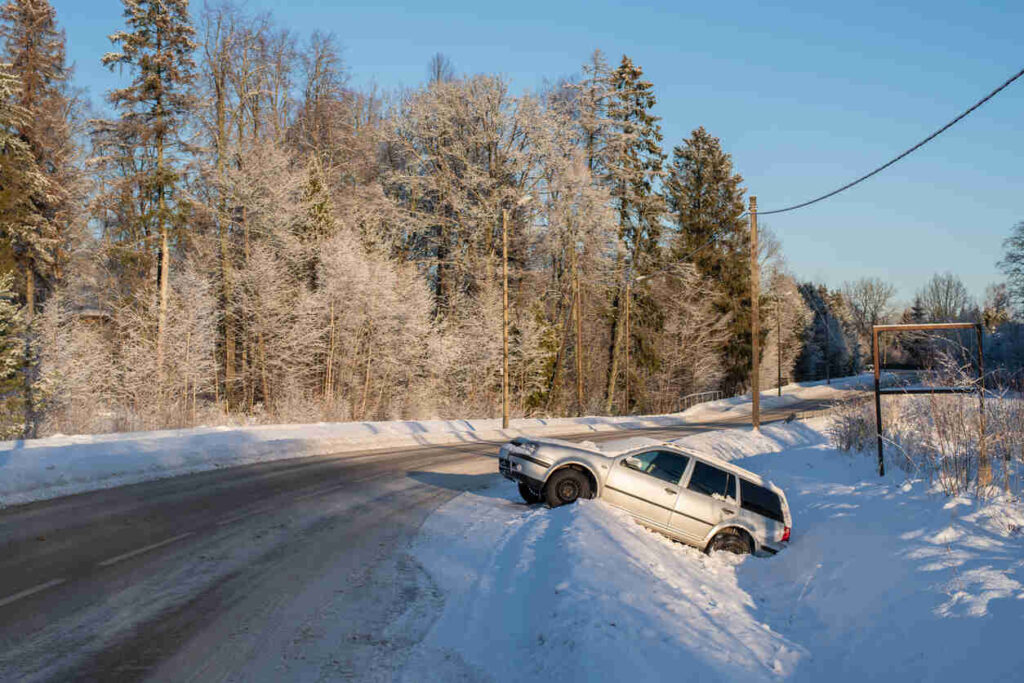
Key seasonal factors that contribute to crashes include:
- Cold rain and wet pavement reduce tire grip and increase stopping distances.
- Thick morning fog, especially near bodies of water or low-lying areas, limits visibility.
- Freezing temperatures create slick bridges and overpasses long before the rest of the roadway freezes.
- Black ice, which is nearly invisible and can cause sudden loss of control.
- Holiday travel leads to congested highways, distracted drivers, and increased speeding.
When these elements combine, even routine commutes can become hazardous.
How Winter Conditions Affect Liability After a Crash
Weather alone does not excuse unsafe driving. In Texas, drivers must adjust their behavior to match road conditions, meaning liability often still falls on motorists who fail to exercise reasonable care.
A driver may be found at fault if they:
- Continue driving at unsafe speeds during rain or fog.
- Follow too closely, making it impossible to stop on slick pavement.
- Fail to turn on headlights or use hazard lights in low-visibility conditions.
- Lose control due to bald tires, poor maintenance, or worn brakes.
- Ignore warnings about icy bridges or severe weather.
Even when winter weather contributes to a crash, insurers and courts still assess whether a driver acted responsibly. Those who do not adjust to the conditions may bear full or partial liability.
How Weather Complicates Insurance Disputes
Insurance companies often use winter weather to argue that no one is at fault or that the injured person contributed to the crash. This can create disputes over coverage, compensation, and the cause of the collision.
Common issues that arise include:
- Claims that the crash was unavoidable due to weather conditions.
- Disagreements over driver behavior, such as braking, speed, or lane changes.
- Delays in obtaining clear evidence if fog, rain, or ice obscured key details.
- Accusations that the injured driver’s own actions contributed to the collision.
Because weather-related crashes are complex, having our experienced attorneys review the facts can significantly affect an insurance company’s view of the claim.
Why Evidence Collection Is Especially Important in Winter
Winter conditions can make evidence disappear quickly. Rain washes away skid marks, fog limits photographs, and rising temperatures melt patches of ice before they can be documented. Acting swiftly helps preserve essential details that support your injury claim.
Helpful evidence may include:
- Photos and videos of road conditions at the time of the crash.
- Weather reports or alerts were issued during the incident.
- Dash-cam footage from your vehicle or nearby drivers.
- Witness statements describing visibility or ice.
- Maintenance records showing vehicle condition, tire tread, or brake performance.
Because the weather changes fast, documenting conditions as soon as possible can strengthen your case and protect you from disputes later.
How Winter Weather Impacts the Value of an Injury Claim
Seasonal conditions can affect not only liability but also the compensation available in an injury claim. Crashes that occur during winter may lead to more severe injuries due to higher speeds, reduced traction, and multi-vehicle pileups.
An injury claim may include compensation for:
- Medical treatment and ongoing care.
- Lost wages and reduced earning ability.
- Pain and suffering caused by the crash.
- Property damage to your vehicle.
- Long-term physical or emotional effects.
Insurance companies may attempt to reduce payouts by blaming the weather or disputing the circumstances of the collision. A thorough investigation helps ensure your claim reflects the full extent of your losses.
Contact Glen Larson Law Injury Attorneys for Help Today
Winter weather can create challenging conditions for Texas drivers, but you do not have to navigate the aftermath of a crash alone. Glen Larson Law Injury Attorneys is committed to helping injured Texans understand their rights, protect their claims, and secure fair compensation after weather-related collisions.
If you or someone you love has been hurt in a crash during the winter months, contact Glen Larson Law Injury Attorneys for a free consultation. Our team is available 24/7 to answer your questions and provide the support you need. Call 512-559-8577 or visit us online to get started.
