 (512) 883-0277







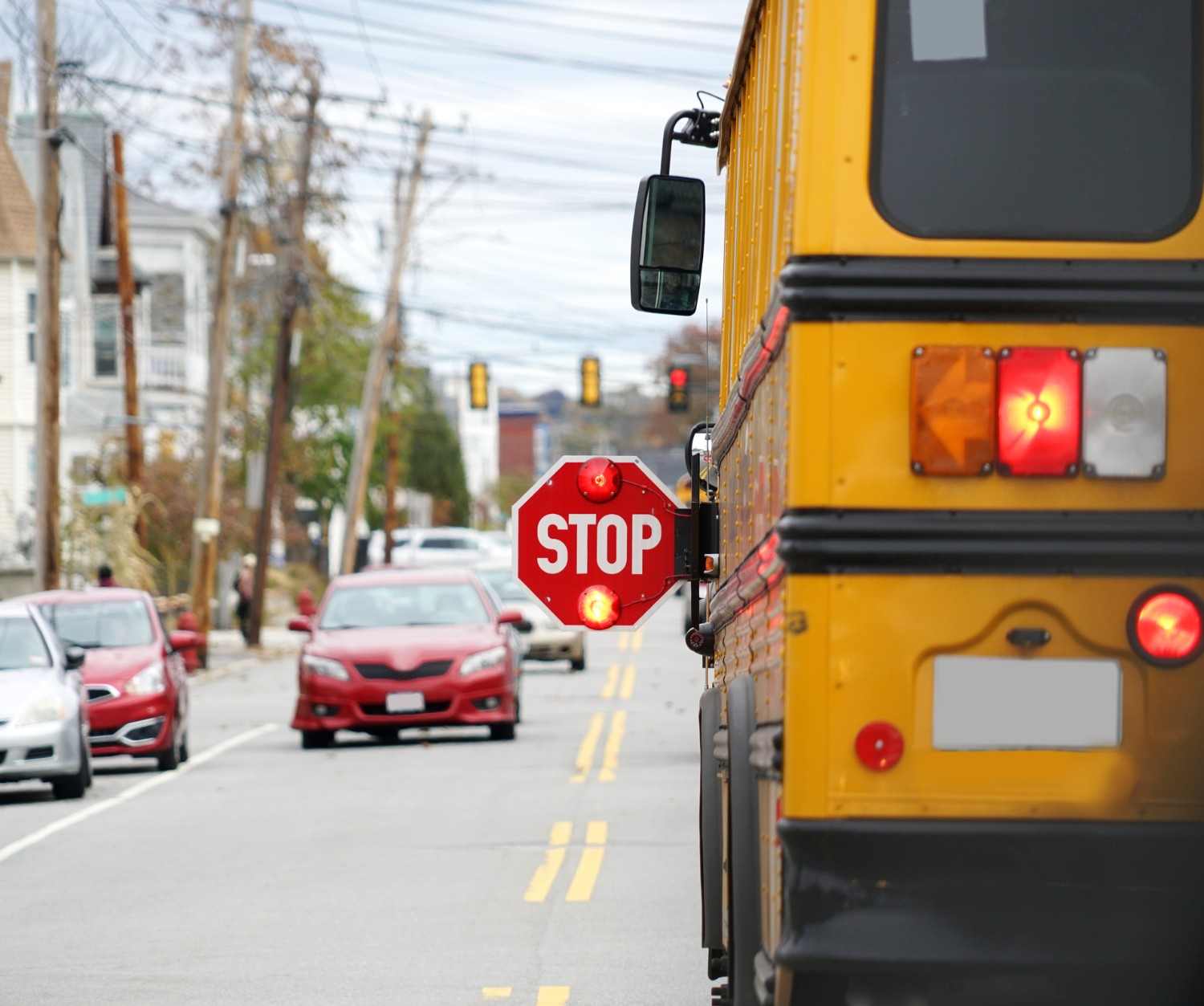
The start of a new school year changes the rhythm of Texas roads. Morning commutes once again overlap with school buses, crossing guards, parents dropping off children, and students walking or biking to class. In a school zone, drivers have little room for distraction or delayed reactions.
The risks are real. According to the Texas Department of Transportation (TxDOT), Texas school zones saw 877 traffic crashes in 2025, a 12% increase from the previous year. Driver inattention, speed, and failure to yield the right of way were the most common contributing factors.
When a child is injured, determining who is legally responsible requires looking closely at how the accident happened and whether someone failed to exercise reasonable care.
Why Are School Zones Particularly Dangerous for Children?
School zones bring vehicles and young pedestrians together in a concentrated area, often during busy morning and afternoon traffic.
Children may be harder for drivers to see because of parked cars, school buses, or other vehicles. Younger children may also misjudge a vehicle’s speed or distance, unexpectedly enter the roadway, or assume a driver has seen them.
Drivers approaching schools should anticipate these conditions. That means paying attention, obeying posted speed limits, watching crosswalks, and being prepared for unpredictable child behavior.
When Can a Driver Be Liable for a School Zone Accident?
A driver who fails to use reasonable care may be responsible when that negligence causes a child’s injuries.
Examples can include:
- Speeding through an active school zone.
- Failing to stop or yield at a crosswalk.
- Driving while distracted.
- Making an unsafe turn near students crossing the road.
- Passing a stopped school bus when prohibited.
- Failing to watch for children entering or leaving vehicles.
- Driving too fast for congested school traffic, even if traveling within the posted limit.
Texas law requires drivers to stop and yield to pedestrians crossing at certain crosswalks. Drivers must also reduce their speed when a special hazard involving pedestrians makes a slower speed necessary.
The posted school-zone speed limit is therefore not the only consideration. A driver’s behavior must be evaluated in light of the conditions at the time of the accident.
Distracted Driving Can Be Especially Dangerous Near Schools
A few seconds spent looking at a phone can mean traveling a significant distance without watching the road.
Texas places additional restrictions on wireless device use in school crossing zones. With limited exceptions, drivers generally may not use a wireless communication device while operating a vehicle in a school crossing zone unless the vehicle is stopped or the device is being used hands-free.
After an accident, cell phone records and other evidence may help determine whether distraction played a role.
What About Accidents Involving School Buses?
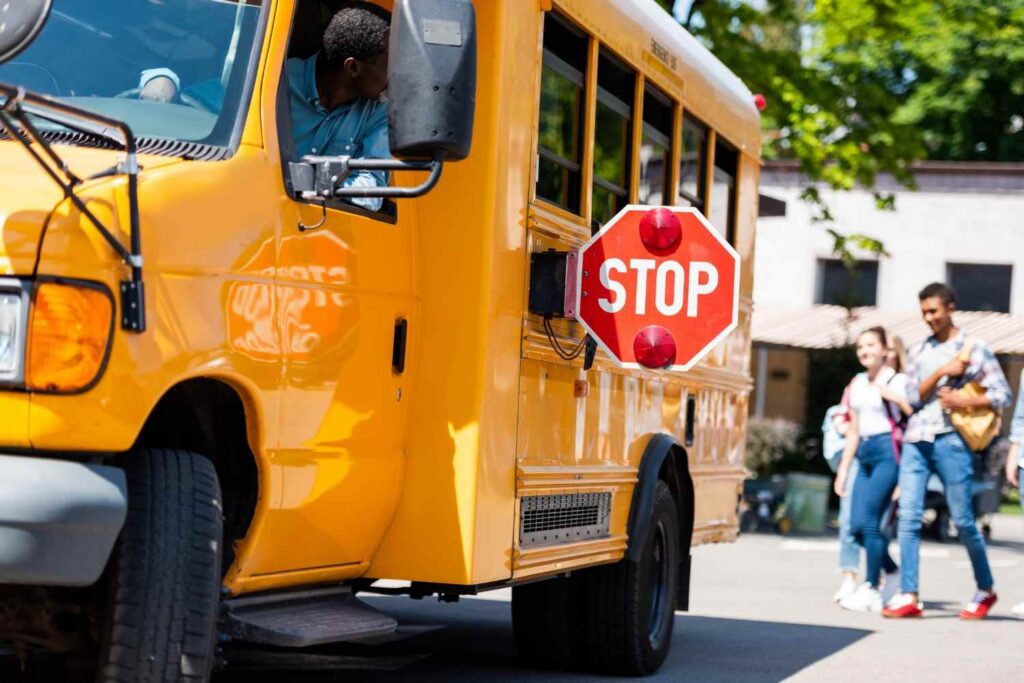
School buses create additional safety concerns because children may be crossing the road while boarding or exiting.
Texas drivers generally must stop when approaching a school bus displaying flashing red lights or an extended stop signal. An exception applies in certain situations when vehicles are traveling on the opposite roadway of a divided highway.
Liability may become more complicated if the accident involves a bus driver, school employee, school district, contractor, or another party. Claims involving governmental entities can also be subject to different legal requirements and deadlines, making early investigation particularly important.
What Evidence Can Help Determine What Happened?
School-zone accidents can happen quickly, but several sources may help reconstruct the events leading to a child’s injury.
Important evidence may include:
- School or nearby business surveillance footage.
- School bus cameras.
- Dashcam recordings.
- Witness statements.
- Police crash reports.
- Cell phone records.
- Photographs and measurements from the scene.
- Traffic signals, signs, and school-zone warning systems.
Evidence can disappear or be overwritten, so identifying and preserving it promptly may be critical.
Protecting an Injured Child’s Future
A child seriously injured in a pedestrian or school-zone accident may need emergency care, surgery, rehabilitation, or ongoing medical treatment. Some injuries can also affect development, education, mobility, and quality of life for years.
Evaluating a claim should therefore involve more than adding up the medical bills immediately following the accident. The child’s future needs and the long-term consequences of the injury may also need to be considered.
At Glen Larson Law Injury Attorneys, we investigate serious accidents involving children and work to identify the parties whose negligence contributed to their injuries. Our attorneys help Texas families understand their options and pursue compensation that accounts for both current and future losses.
If a negligent driver injured your child in an Austin or Central Texas school zone, call (512) 883-0277 or contact us online to schedule a free consultation. Let us investigate what happened while your family focuses on your child’s recovery.
